“자유 무역”은 환상이며, 중국이 실제로 옹호하는 것은 달러 흑자이다
중국의 선전 기계는 중국을 세계화를 옹호하고 자유무역을 수호하는 경제체제로 묘사합니다.
그러나 진실은 그렇지 않습니다.
하지만 중국의 국유기업은 연간 매출액이 전체 GDP의 60%를 넘습니다.
2023년 말 기준, 중국 국유기업의 자산 총액은 371조 9000억 위안, 국유 금융기업의 자산 총액은 445조 1000억 위안, 행정 사업성 국유자산 총액은 64조 2000억 위안에 달합니다.
2024년 중국 민영기업 500강 발표 보고서에 따르면, 중국의 상위 500대 민영기업의 총자산은 겨우 49조 8500억 위안에 불과하며, 이는 중국 행정사립기관의 총자산보다도 적은 수치입니다.
민영기업과 외자는 중국의 80% 이상의 고용을 해결하고, 중국의 대부분의 수출을 담당하며 외화를 벌어들이는 반면, 국유기업은 주로 수입, 특히 대종상품의 수입을 담당합니다. 즉, 국유기업은 주로 돈을 쓰는 역할을 합니다.
역할 분담이 이해가 되십니까?
[caption id="attachment_2281" align="aligncenter" width="1080"]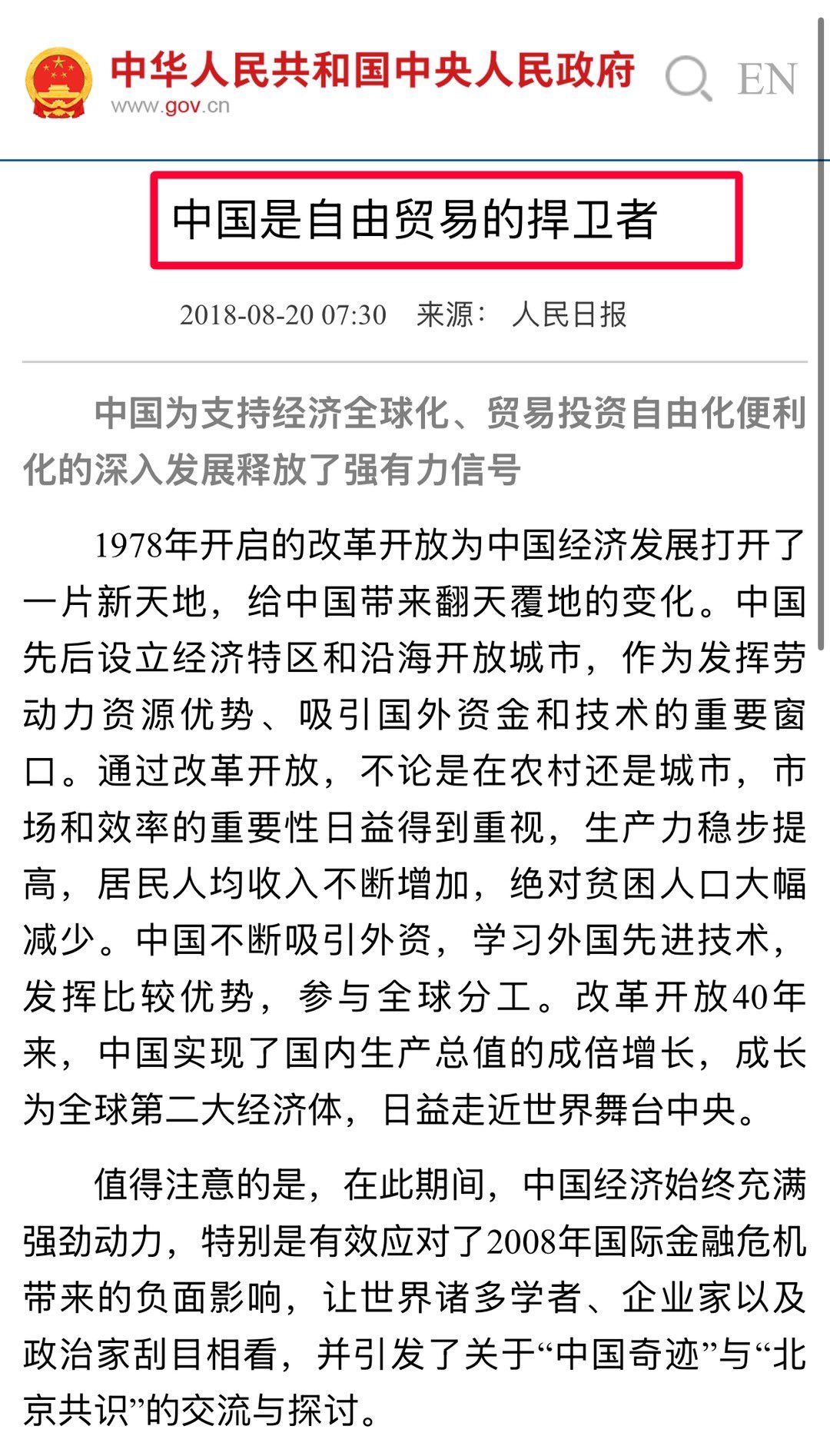 “자유무역”은 허상이며, 중국이 진정으로 수호하는 것은 무역수지 흑자와 미달러 01[/caption]
[caption id="attachment_2282" align="aligncenter" width="1242"]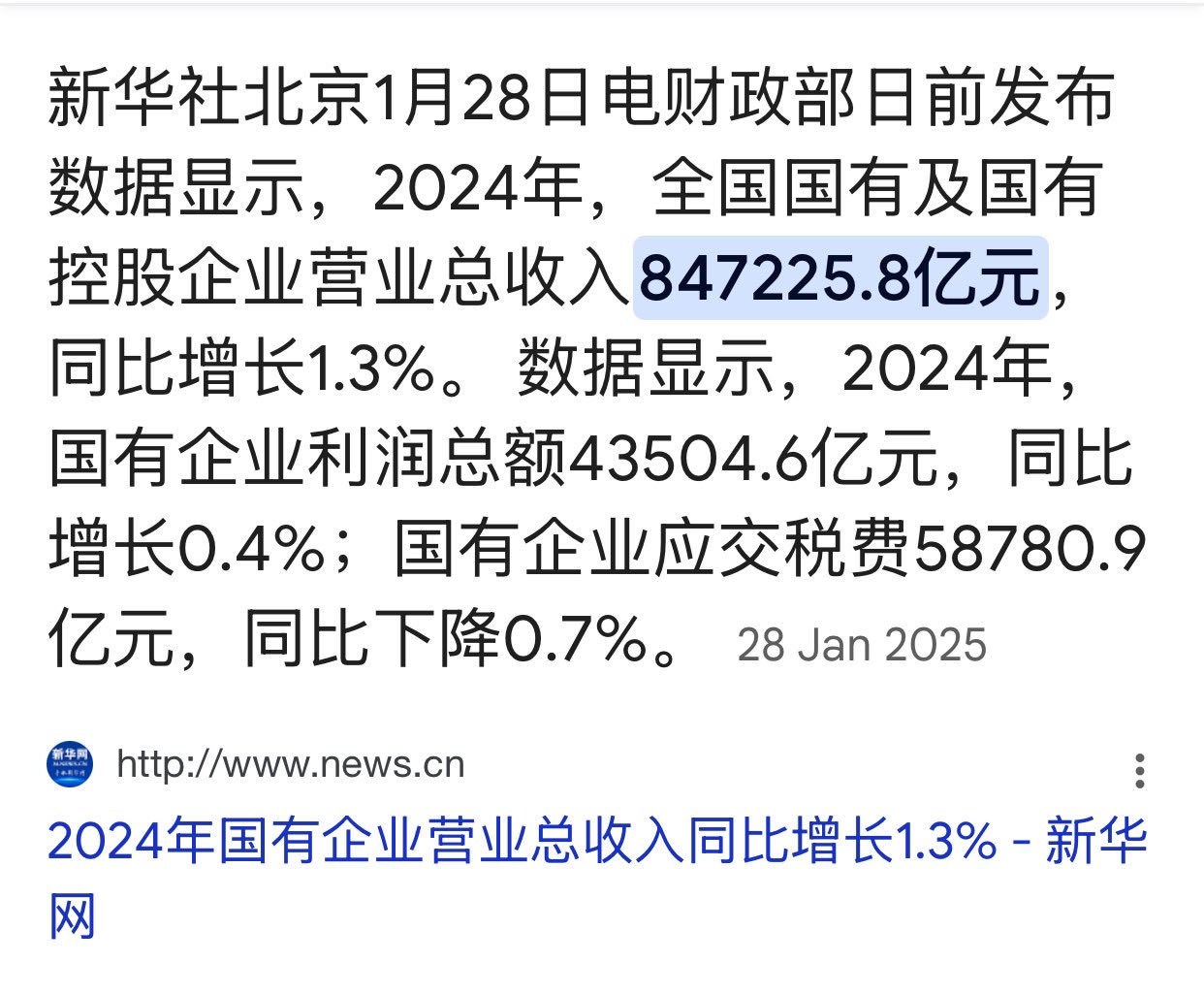 “자유무역”은 허상이며, 중국이 진정으로 수호하는 것은 무역수지 흑자와 미달러 02[/caption]
[caption id="attachment_2283" align="aligncenter" width="1080"]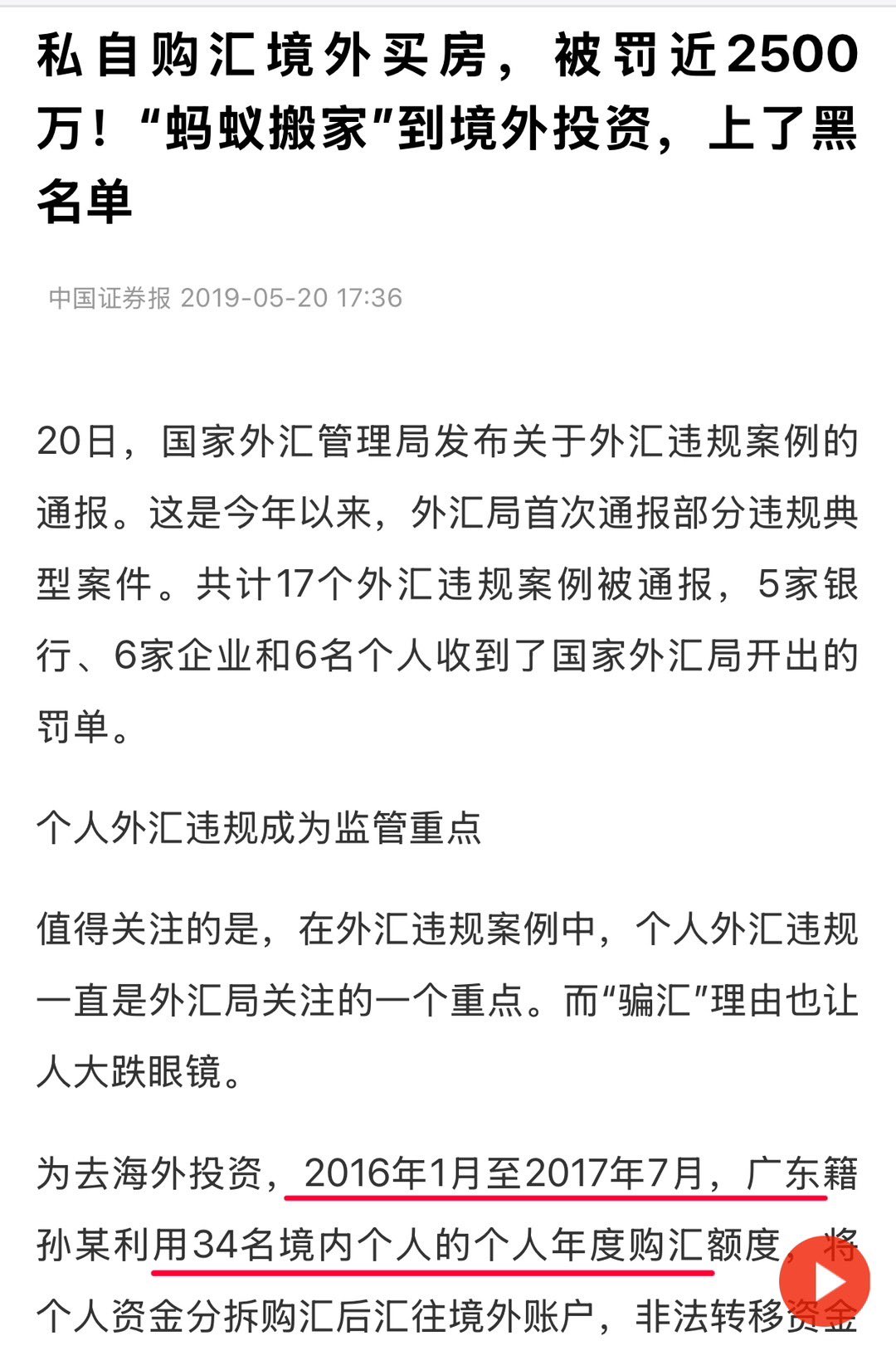 “자유무역”은 허상이며, 중국이 진정으로 수호하는 것은 무역수지 흑자와 미달러 03[/caption]
[caption id="attachment_2284" align="aligncenter" width="1080"]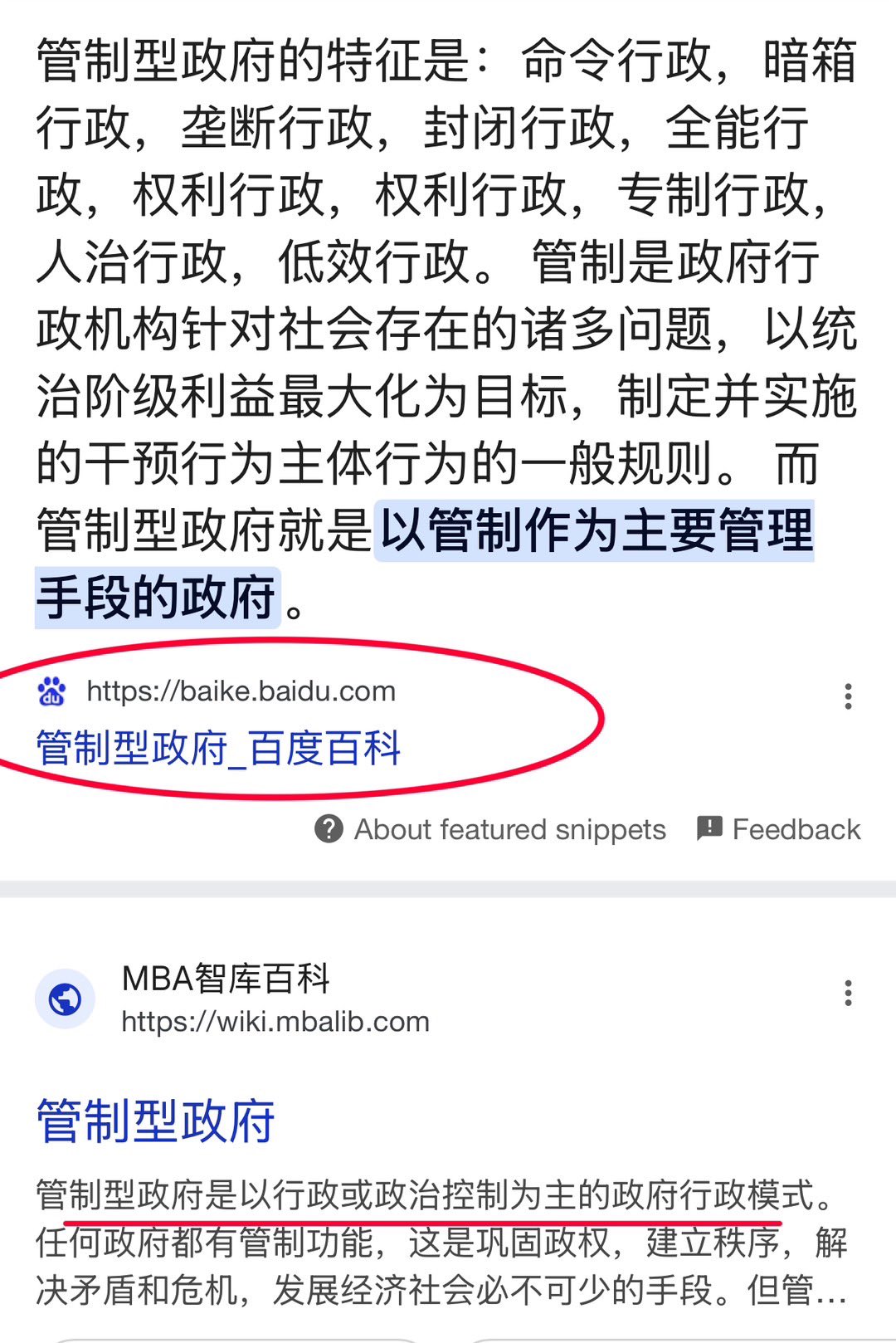 “자유무역”은 허상이며, 중국이 진정으로 수호하는 것은 무역수지 흑자와 미달러 04[/caption]
이상은 모두 공개된 데이터이며, 이 데이터들은 스스로 말해주지만 누군가 올바르게 해석해야 할 필요가 있습니다.
게다가 중국은 엄격한 자본 통제를 실시하여 주민과 기업에 대해 엄격한 역외 투자 제한을 가하고 있습니다. 자본 통제는 자유무역의 철천지원수인데, 돈조차 자유롭게 흐르지 못하면서 어떻게 자유무역을 하겠습니까?
중국은 또한 뉴스 검열, 영상 검열, 인터넷 검열 제도를 시행하고 있으며, 서구 국가의 뉴스 통신사, 출판사, 영화 및 텔레비전 프로그램 배급사, 인터넷 기업들은 기본적으로 중국 내에서 운영할 수 없습니다.
중국은 통제형 정부이며, 중국이 수호하는 것은 '자유무역'이 아니라 '무역수지 흑자'입니다.
중요한 말은 다시 한 번 말하지만, 중국이 수호하는 것은 '자유무역'이 아니라 '무역수지 흑자'이며, 이는 중국 정부가 미달러를 벌어들이는 능력입니다. 달러 흑자가 들어와야만 국유기업과 정부가 '쓸 돈'이 생기는 것입니다.
국유기업과 정부는 돈을 쓰는 효율성이 매우 낮지만 달리 방법이 없습니다. 제도적 설계가 애초에 이렇게 되어 있으며, 이것이 바로 착취형 제도입니다. 이것이 바로 중국이 영원히 분배제도 개혁을 실시할 수 없는 이유이기도 합니다. 정부가 바보입니까? 스스로를 가난하게 만들게요?
중국인은 반드시 가난해야 하고 가난할 수밖에 없습니다. 분배제도가 바로 이렇습니다. 이 분배제도는 부의 분배를 왜곡했을 뿐만 아니라 산업 구조와 고용 시장도 왜곡했습니다. 그래서 중국인들이 그토록 '내우외환(주: 쥐어짜기 경쟁/네발두기 굴레)'에 시달리는 것이며, '이출일공(모든 이익을 한곳으로 집중)'의 제도적 배치 속에서 쥐어짜이지 않는다면 그게 더 이상할 것입니다.
중국의 토지 제도, 호적 제도, 분배 제도를 명확히 파악하고, 법가 사상가 관중의 '이출일공' 개념을 명확히 이해한다면, 중국이 왜 이토록 극심한 경쟁과 쥐어짜기에 시달리는지 알 수 있을 것입니다.
중국은 반드시 수출을 장려하고 확대해야 하며, 수입을 제한하고 축소해야 합니다. 이것이 바로 선전이나 상하이 같은 1선 도시들이 1인당 GDP가 2만 달러를 초과하여 거의 중등 선진국 수준에 달했음에도 불구하고 법정 최저임금은 겨우 2000여 위안에 불과한 이유입니다.
1960년대 저우언라이는
tutions.
Private and foreign-funded enterprises provide over 80% of China’s employment and carry out the vast majority of China’s exports, thereby earning foreign exchange. State-owned enterprises, on the other hand, are mainly responsible for imports, especially imports of bulk commodities. In other words, state-owned enterprises are primarily responsible for spending money.
Do you see how the roles are divided now?
All of the above are public data. These numbers speak for themselves, but they still need someone to interpret them correctly.
Additionally, China imposes severe capital controls, with strict restrictions on overseas investments for both residents and businesses. And capital controls are the mortal enemy of free trade — if even money cannot flow freely, how can there be free trade?
China also enforces press censorship, film censorship, and internet censorship. Western news agencies, publishers, film and television distributors, and internet companies are basically unable to operate in China.
China is a control-oriented state. What it defends is not “free trade” at all, but rather “trade surplus.”
One more time, because it’s important: China is defending not “free trade” but “trade surplus” — meaning the Chinese government’s ability to earn U.S. dollars. Only as long as a surplus of U.S. dollars keeps coming in can the state-owned enterprises and the government have “money to spend.”
Meanwhile, state-owned enterprises and the government are very inefficient at spending money. But there’s no helping it — the system was designed this way. This is an extractive system, and it’s also the reason China will never be able to implement any reform of its wealth distribution system. Is the government stupid? Would it really impoverish itself?
Chinese people have to be poor, and can only be poor; the distribution system is set up that way. This distribution system has distorted the distribution of wealth, and even more so has distorted the industrial structure and job market. As a result, Chinese people inevitably end up “involuting.” With a system arranged such that “all profits come out of one hole,” it would be strange if people weren’t involuting.
China must encourage and expand exports and restrict and reduce imports. This is why even in first-tier cities like Shenzhen and Shanghai — where per capita GDP exceeds $20,000 (almost reaching the level of a moderately developed country) — the legal minimum wage is only a little over 2,000 yuan(80USD/week).
In the 1960s, Zhou Enlai had a saying: “Everything for foreign trade.” Despite how difficult life was for the Chinese populace, China still exported large quantities of grain, cotton, meat, and cooking oil…
“Everything for foreign trade” remains China’s national policy to this day. To put it bluntly: everything is for the surplus, everything is for U.S. dollars.
If the Chinese people became affluent, then foreigners would no longer be able to afford “Made in China”
products. Moreover, if Chinese people had money, they’d go abroad to spend it, buy houses overseas, emigrate, and so on… In that case, China’s balance-of-payments surplus would disappear, and the government would become poor.
Just look at Japan’s government — it’s very poor. Japan’s international balance of payments surplus comes from the returns on private investments overseas. The Japanese government carries debt, leaving the wealth in the hands of the citizens and private enterprises…
Japan’s government debt is the highest in the world, over 200% of GDP — it’s almost bankrupt. Yet the Japanese aren’t worried, and the Chinese are even less worried about that. In fact, many wealthy Chinese are willing to go live in Japan, and they even send their children there to study or immigrate.
Japan’s system is relatively free, its government operates transparently, and there are no capital controls. Welfare is assured, the quality of life is high, and job opportunities are plentiful… Plus, with the yen’s depreciation, it has become even more cost-effective for Chinese people to migrate to Japan.
Only a free country can have free trade.