"Free Trade" is an Illusion, What China Truly Defends is the US Dollar Surplus
China’s propaganda machine portrays China as an economy that advocates globalization and defends free trade.
But the truth is not like that.
But China’s state-owned enterprises have annual revenues accounting for more than 60% of the total GDP.
As of the end of 2023, the total assets of China’s state-owned enterprises amounted to 371.9 trillion yuan, the total assets of state-owned financial enterprises amounted to 445.1 trillion yuan, and the total assets of administrative and institutional state-owned assets amounted to 64.2 trillion yuan.
According to the 2024 report on the release of China's Top 500 Private Enterprises, the total assets of China's top 500 private enterprises were only 49.85 trillion yuan, which was even less than the total assets of China's administrative and public institutions.
Private and foreign-funded enterprises solved more than 80% of employment in China, and also carried out the vast majority of China's exports, responsible for earning foreign exchange, while state-owned enterprises were mainly responsible for imports, especially bulk commodity imports, meaning that state-owned enterprises were mainly responsible for spending money.
Do you understand the division of labor now?
[caption id="attachment_2281" align="aligncenter" width="1080"]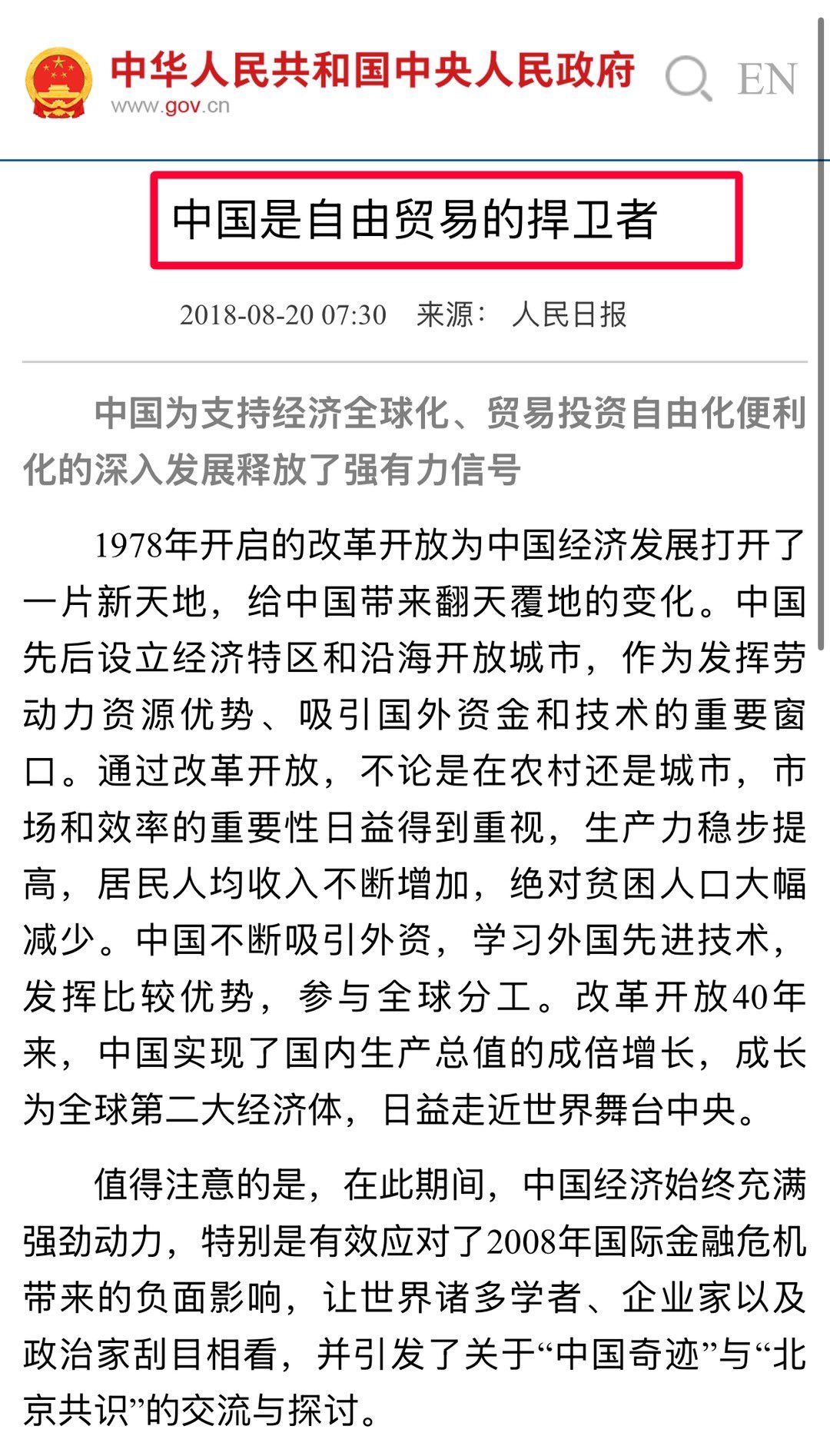 “Free Trade” is an Illusion, What China Truly Defends Is the Surplus and the US Dollar 01[/caption]
[caption id="attachment_2282" align="aligncenter" width="1242"]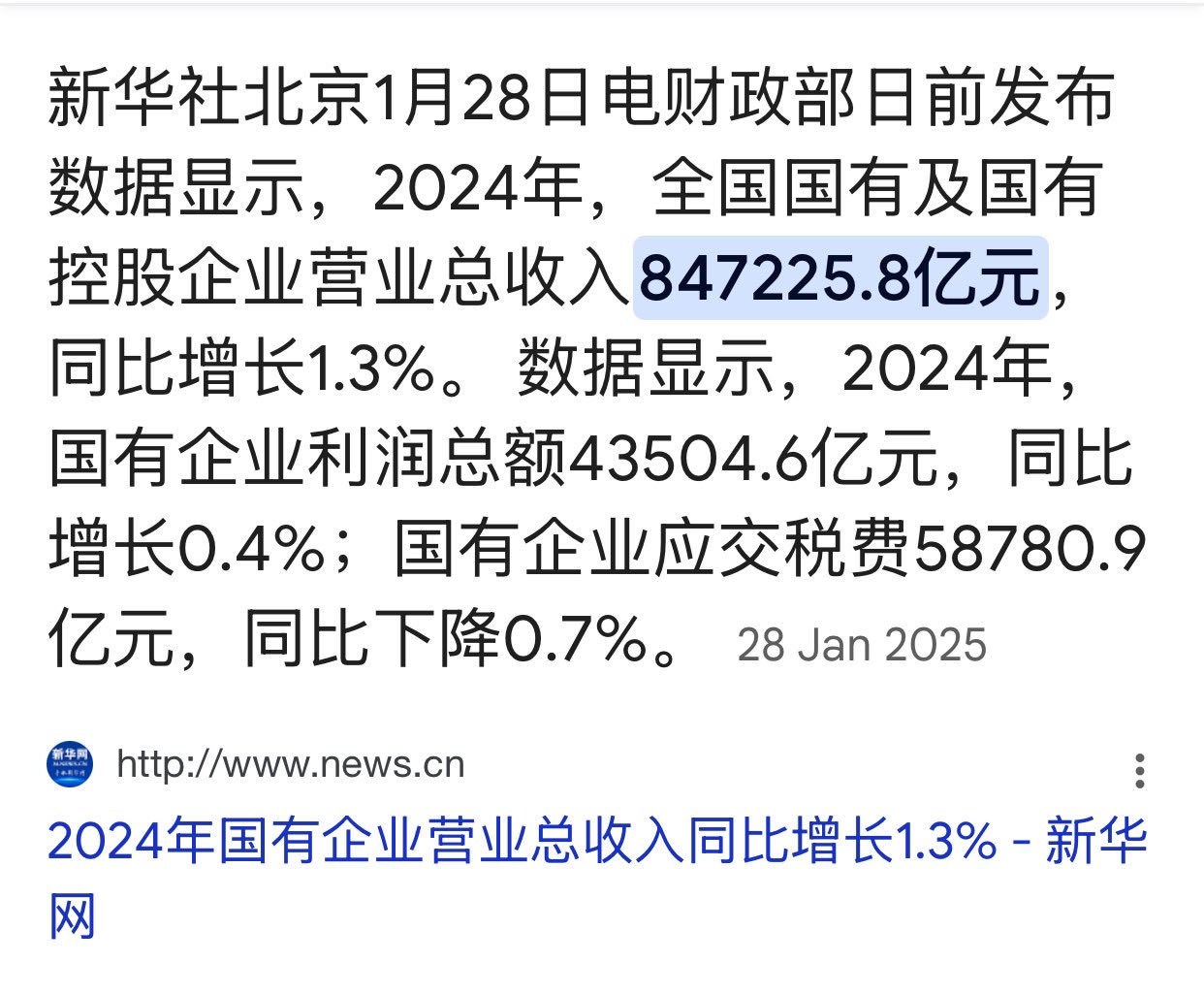 “Free Trade” is an Illusion, What China Truly Defends Is the Surplus and the US Dollar 02[/caption]
[caption id="attachment_2283" align="aligncenter" width="1080"]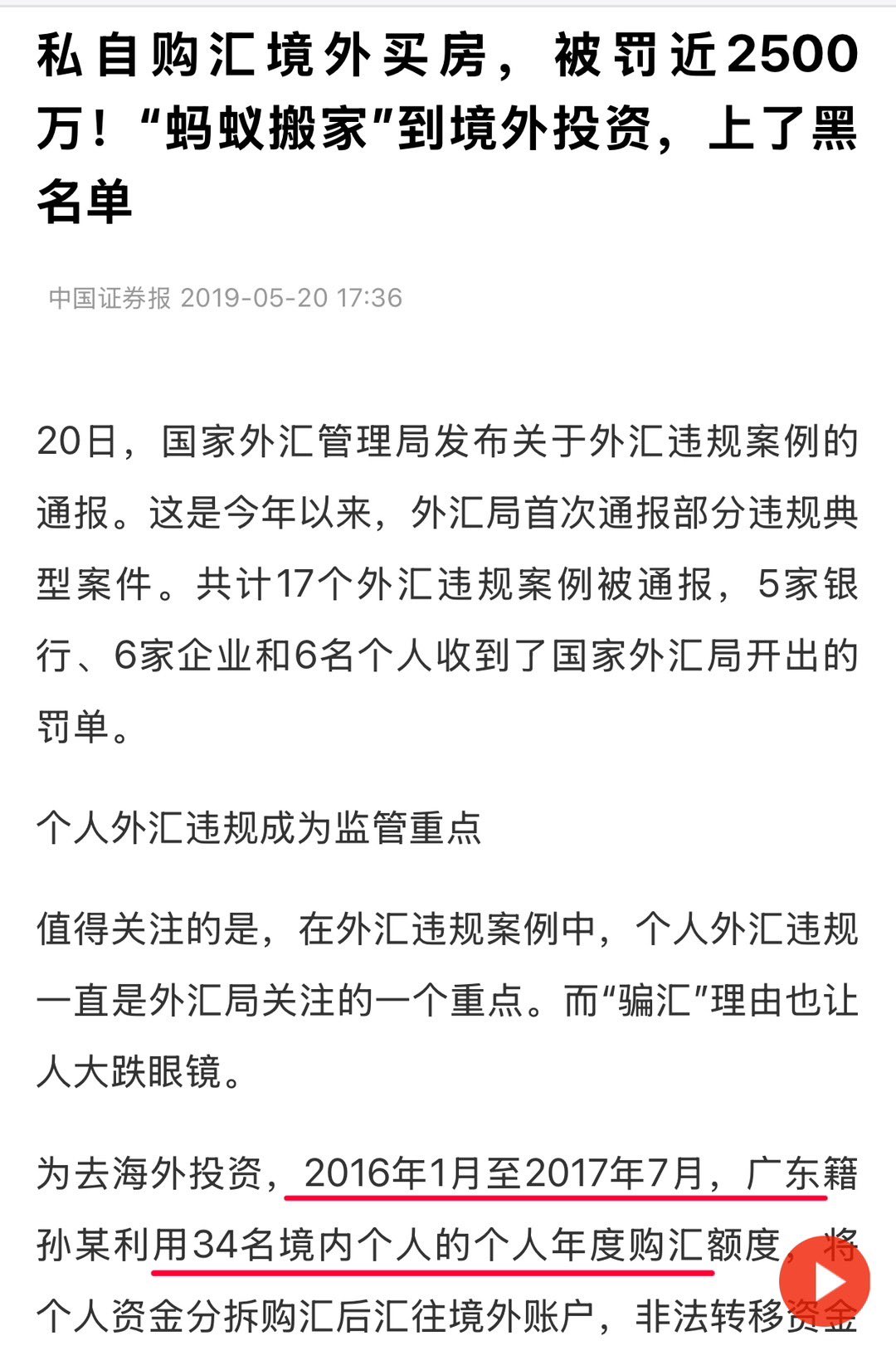 “Free Trade” is an Illusion, What China Truly Defends Is the Surplus and the US Dollar 03[/caption]
[caption id="attachment_2284" align="aligncenter" width="1080"]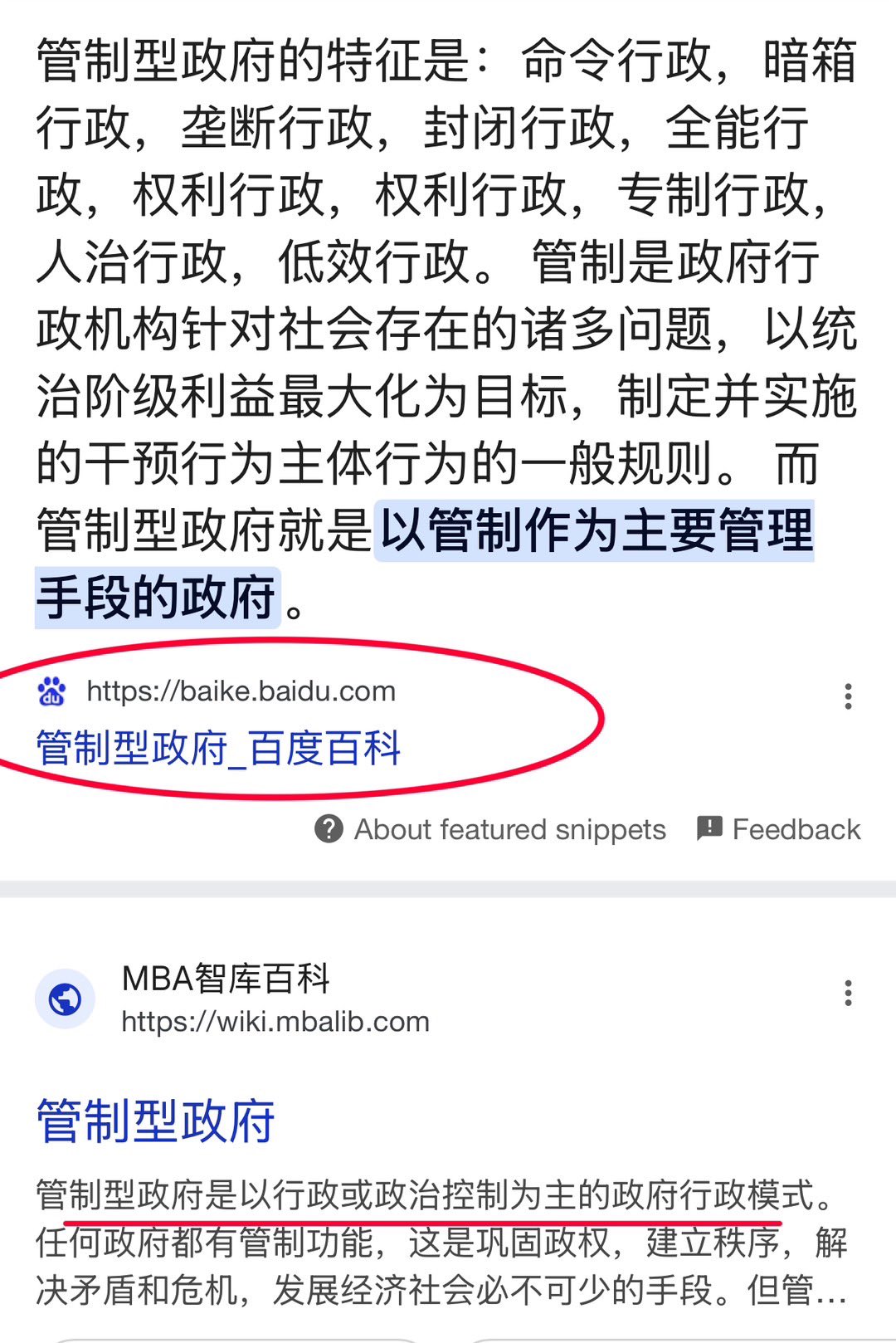 “Free Trade” is an Illusion, What China Truly Defends Is the Surplus and the US Dollar 04[/caption]
All of the above are public data. These data speak for themselves, but they need someone to interpret them correctly.
In addition, China also implements strict capital controls, imposing strict restrictions on overseas investment for residents and enterprises. Capital control is the deadly enemy of free trade. If even money cannot flow freely, how can there be free trade?
China also implements news censorship, film and television censorship, and internet censorship systems. Western news agencies, publishers, film and television program distributors, and internet companies are basically unable to operate in China.
China is a regulated government, and what China defends is not "free trade," but a "trade surplus."
Let me repeat the important thing: what China defends is not "free trade," but a "trade surplus," and the Chinese government's ability to earn US dollars. As long as there is a US dollar surplus coming in, state-owned enterprises and the government can "have money to spend."
And state-owned enterprises and the government have very low spending efficiency, but there is no way around it; the system is designed this way. This is an extractive institution, and this is why China can never implement a distribution system reform. Is the government foolish? Would it make itself poor?
Chinese people must be poor, and can only be poor. That is how the distribution system works. This distribution system distorts wealth distribution, and even more so distorts the industrial structure and the employment market. That is why Chinese people "involutionize" ("juan"). With a system arrangement where "all profits flow into one hole," it would be strange if there was no involution.
Once you figure out China's land system, household registration system, and distribution system, and understand the Legalist thinker Guan Zhong's concept of "all profits flowing into one hole," you will know why China is so involuted.
China must encourage and expand exports while restricting and reducing imports. This is why first-tier cities like Shenzhen and Shanghai, where per capita GDP exceeds 20,000 US dollars and almost reaches the level of moderately developed countries, have a statutory minimum wage of only a little over 2,000 RMB.
In the 1960s, Zhou Enlai had a saying: everything for foreign trade. Despite the difficulties in the lives of the Chinese people, China still exported large amounts of grain, cotton, meat, edible oil...
Everything for foreign trade remains a national policy of China to this day. To put it bluntly: everything for the surplus, everything for the US dollar.
If the Chinese people become rich, foreigners will no longer be able to afford "Made in China," and rich Chinese people will go abroad to consume, buy houses, and immigrate... Then China's balance of payments surplus will disappear, and the government will become poor.
Just like the Japanese government, which is very poor, Japan's balance of payments surplus comes from the investment profit returns of the private sector overseas. The Japanese government incurs debt, hiding wealth among the people, and hiding wealth in private enterprises...
The Japanese government's debt is the highest in the world, reaching over 200% of GDP, and it is almost bankrupt. Japanese people are not worried, and Chinese people are even less worried. Many wealthy individuals are willing to go to Japan to live, and even send their children there to study and immigrate.
Japan's system is relatively free, government operations are transparent, capital is not controlled, welfare is guaranteed, the quality of life is high, and job opportunities are plentiful... Moreover, with the depreciation of the yen, the cost-effectiveness of Chinese people immigrating to Japan has become even higher.
Only in a free country can there be free trade.
The Myth of Free Trade: What China Really Defends Is Its Dollar Surplus
China’s propaganda machine portrays China as an economy that advocates globalization and defends free trade.
But the truth is not like that at all.
But in reality, China’s state-owned enterprises have annual revenues that account for over 60% of the total GDP.
As of the end of 2023, the total assets of China’s state-owned enterprises reached 371.9 trillion yuan; the total assets of state-owned financial institutions were 445.1 trillion yuan; and the total assets of state administrative and public service units were 64.2 trillion yuan.
According to the 2024 report on China’s Top 500 Private Enterprises, the combined assets of China’s top 500 private companies are only 49.85 trillion yuan — which is actually less than the total assets of China’s government administrative and public insti
tutions.
Private and foreign-funded enterprises provide over 80% of China’s employment and carry out the vast majority of China’s exports, thereby earning foreign exchange. State-owned enterprises, on the other hand, are mainly responsible for imports, especially imports of bulk commodities. In other words, state-owned enterprises are primarily responsible for spending money.
Do you see how the roles are divided now?
All of the above are public data. These numbers speak for themselves, but they still need someone to interpret them correctly.
Additionally, China imposes severe capital controls, with strict restrictions on overseas investments for both residents and businesses. And capital controls are the mortal enemy of free trade — if even money cannot flow freely, how can there be free trade?
China also enforces press censorship, film censorship, and internet censorship. Western news agencies, publishers, film and television distributors, and internet companies are basically unable to operate in China.
China is a control-oriented state. What it defends is not “free trade” at all, but rather “trade surplus.”
One more time, because it’s important: China is defending not “free trade” but “trade surplus” — meaning the Chinese government’s ability to earn U.S. dollars. Only as long as a surplus of U.S. dollars keeps coming in can the state-owned enterprises and the government have “money to spend.”
Meanwhile, state-owned enterprises and the government are very inefficient at spending money. But there’s no helping it — the system was designed this way. This is an extractive system, and it’s also the reason China will never be able to implement any reform of its wealth distribution system. Is the government stupid? Would it really impoverish itself?
Chinese people have to be poor, and can only be poor; the distribution system is set up that way. This distribution system has distorted the distribution of wealth, and even more so has distorted the industrial structure and job market. As a result, Chinese people inevitably end up “involuting.” With a system arranged such that “all profits come out of one hole,” it would be strange if people weren’t involuting.
China must encourage and expand exports and restrict and reduce imports. This is why even in first-tier cities like Shenzhen and Shanghai — where per capita GDP exceeds $20,000 (almost reaching the level of a moderately developed country) — the legal minimum wage is only a little over 2,000 yuan(80USD/week).
In the 1960s, Zhou Enlai had a saying: “Everything for foreign trade.” Despite how difficult life was for the Chinese populace, China still exported large quantities of grain, cotton, meat, and cooking oil…
“Everything for foreign trade” remains China’s national policy to this day. To put it bluntly: everything is for the surplus, everything is for U.S. dollars.
If the Chinese people became affluent, then foreigners would no longer be able to afford “Made in China”
products. Moreover, if Chinese people had money, they’d go abroad to spend it, buy houses overseas, emigrate, and so on… In that case, China’s balance-of-payments surplus would disappear, and the government would become poor.
Just look at Japan’s government — it’s very poor. Japan’s international balance of payments surplus comes from the returns on private investments overseas. The Japanese government carries debt, leaving the wealth in the hands of the citizens and private enterprises…
Japan’s government debt is the highest in the world, over 200% of GDP — it’s almost bankrupt. Yet the Japanese aren’t worried, and the Chinese are even less worried about that. In fact, many wealthy Chinese are willing to go live in Japan, and they even send their children there to study or immigrate.
Japan’s system is relatively free, its government operates transparently, and there are no capital controls. Welfare is assured, the quality of life is high, and job opportunities are plentiful… Plus, with the yen’s depreciation, it has become even more cost-effective for Chinese people to migrate to Japan.
Only a free country can have free trade.