“自由貿易”是假象,中國真正捍衛的是美元順差
中國的宣傳機器,把中國描述成一個倡導全球化並捍衛自由貿易的經濟體。
但事實並不是這樣。
但中國的國有企業,年營業額佔GDP總量超過60%。
截至2023年底,中國國有企業資產總額371.9萬億元,國有金融企業資產總額445.1萬億元,行政事業性國有資產總額64.2萬億元。
根據2024中國民營企業500強釋出報告,中國的前500強民營企業,總資產只有49.85萬億人民幣,還不如中國行政事業單位的總資產多。
民營和外資,解決了中國80%以上的就業,還實施了中國絕大部分出口,負責賺外匯,而國企主要負責進口,尤其是大宗商品的進口,也就是說,國企主要負責花錢。
看明白分工了?
[caption id="attachment_2281" align="aligncenter" width="1080"]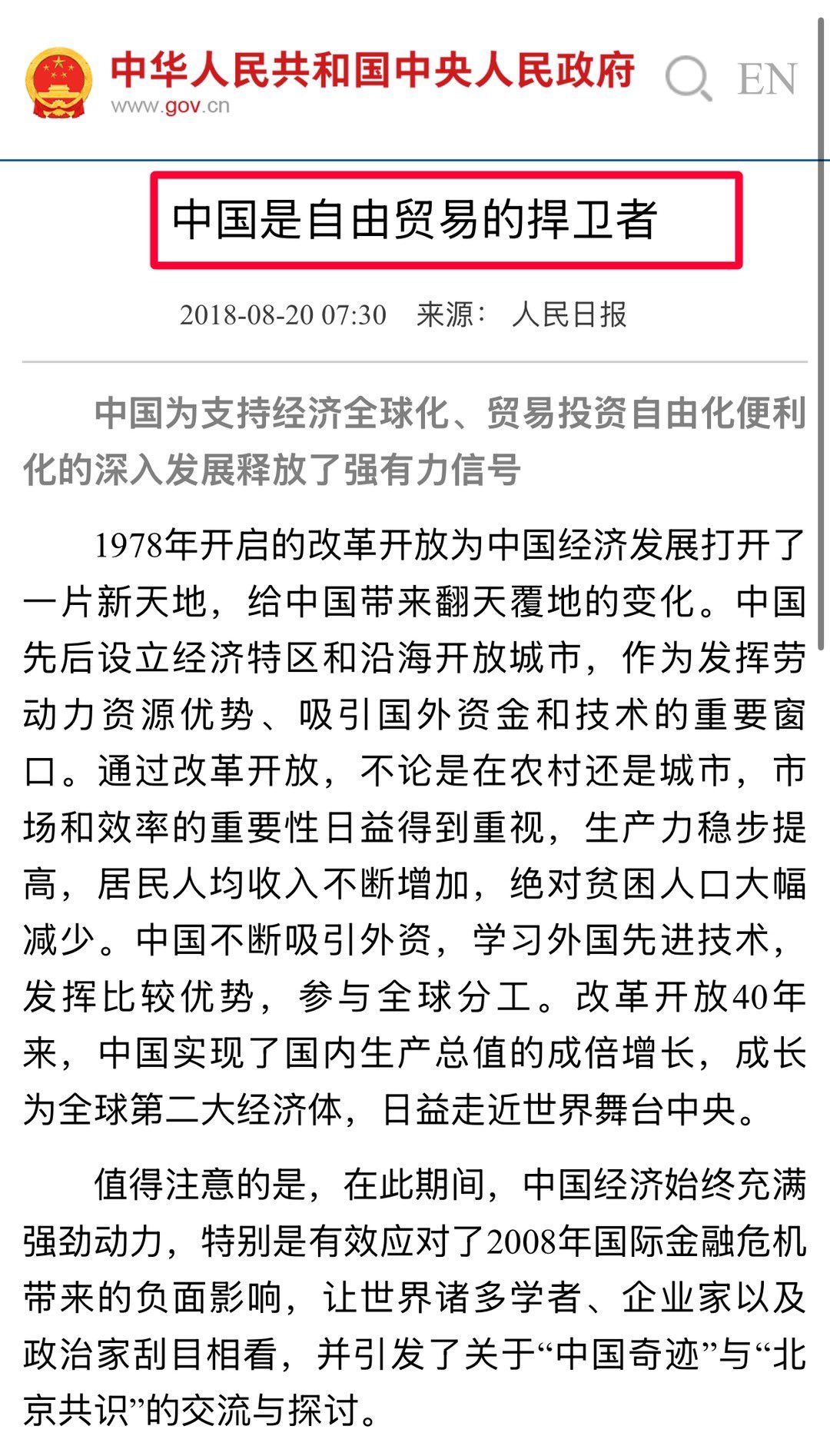 “自由貿易”是假象,中國真正捍衛的是順差與美元 01[/caption]
[caption id="attachment_2282" align="aligncenter" width="1242"]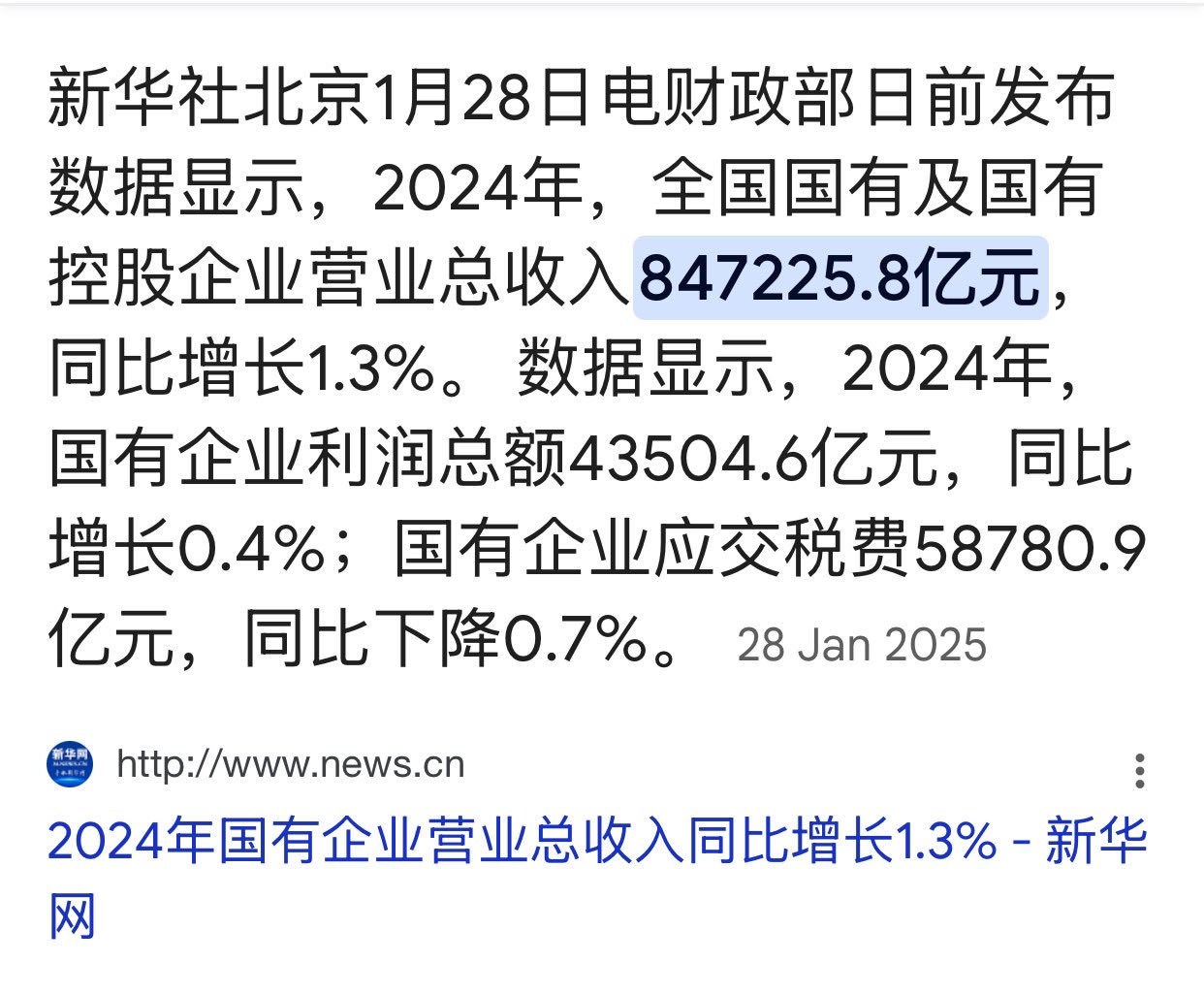 “自由貿易”是假象,中國真正捍衛的是順差與美元 02[/caption]
[caption id="attachment_2283" align="aligncenter" width="1080"]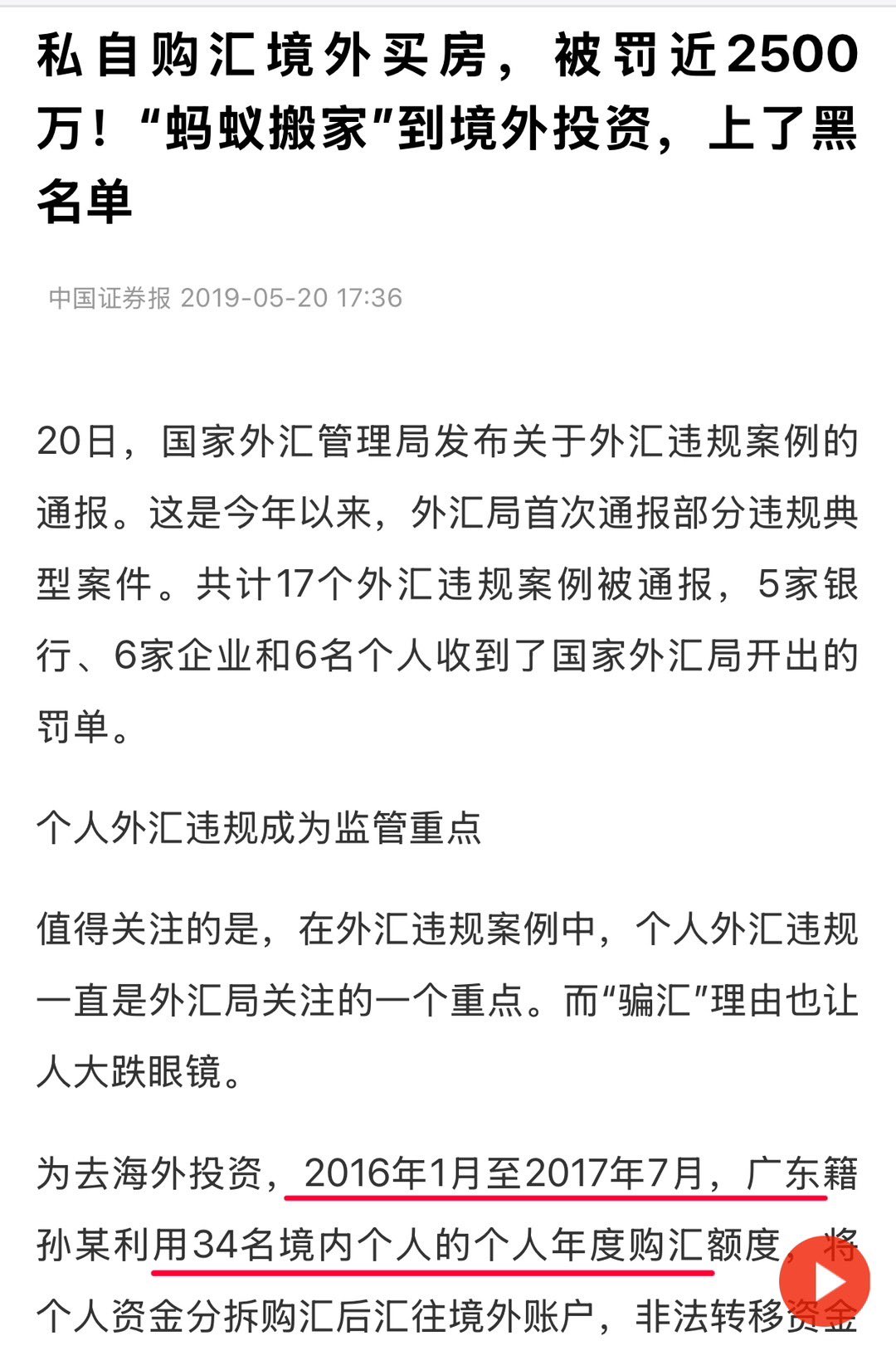 “自由貿易”是假象,中國真正捍衛的是順差與美元 03[/caption]
[caption id="attachment_2284" align="aligncenter" width="1080"]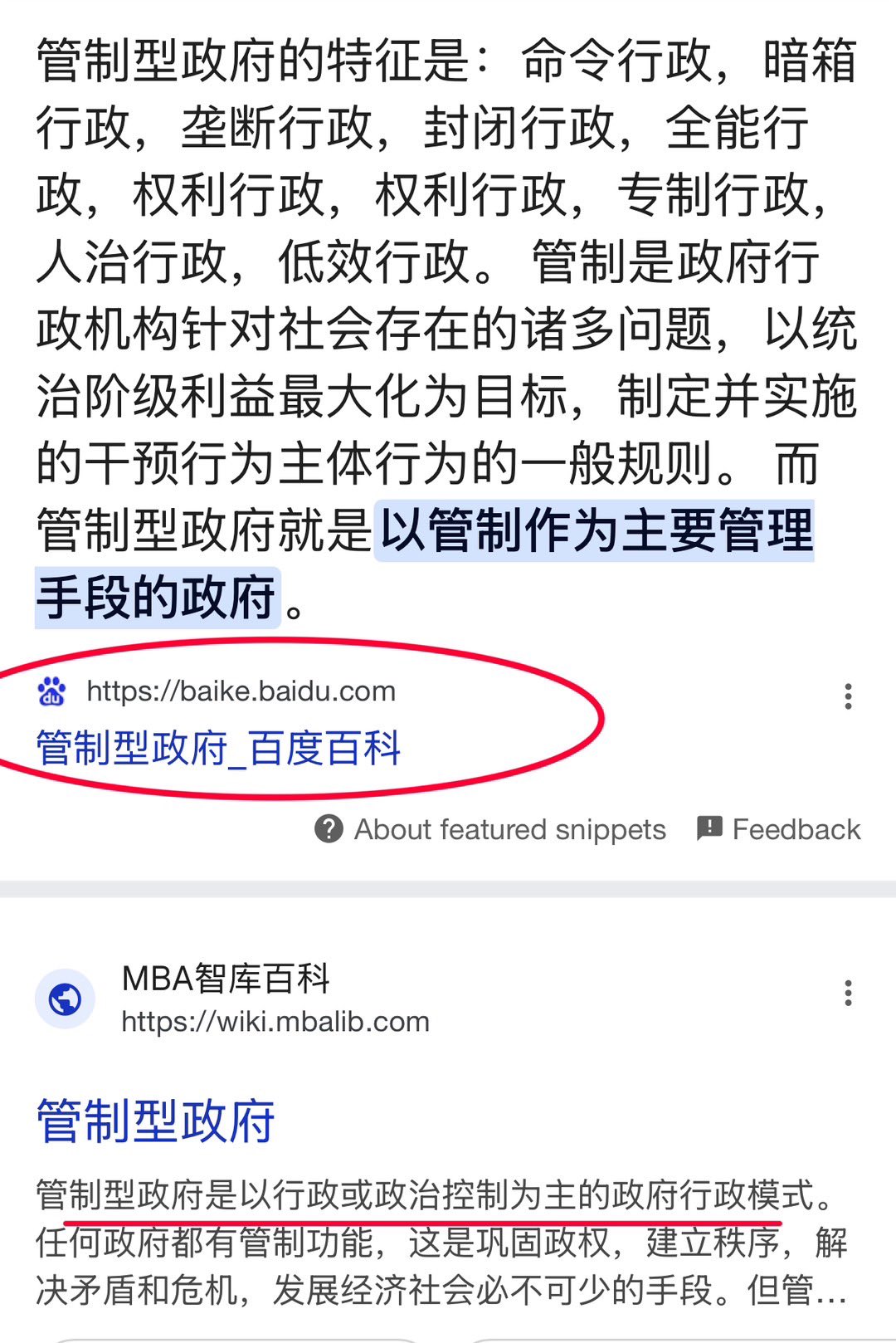 “自由貿易”是假象,中國真正捍衛的是順差與美元 04[/caption]
以上都是公開資料,這些資料會說話,但需要有人正確解讀。
另外,中國還實施嚴厲的資本管制,對居民和企業,實施嚴格的境外投資限制,而資本管制,是自由貿易的死敵,連錢都不能自由流動,怎麼自由貿易?
中國還實行新聞審查、影視審查、網路審查制度,西方國家的新聞社、出版商、電影電視節目發行商,網際網路公司基本上都無法在中國運營。
中國是一個管制型政府,中國捍衛的並不是“自由貿易”,而是“貿易順差”。
重要的事情再說一遍,中國捍衛的並不是“自由貿易”,而是“貿易順差”,是中國政府賺取美元的能力,只要有美元順差進來,國企和政府才能“有錢花”。
而國企和政府,花錢的效率是很低的,但沒辦法,制度設計就是這樣,這就是榨取型制度,這也是中國永遠也不可能實施分配製度改革的原因,政府傻嗎?自己把自己搞窮?
中國人必須窮,也只能窮,分配製度就是這樣,這個分配製度,扭曲了財富分配,更扭曲了產業結構和就業市場,於是中國人才會“卷”,“利出一孔”的制度安排,不卷才怪。
你把中國的土地制度、戶籍制度、分配製度搞清楚了,把法家思想家管仲的“利出一孔”概念搞清楚了,你就知道中國為什麼會這麼捲了。
中國必須鼓勵並擴大出口,限制並減少進口,這就是連深圳上海這樣的一線城市,人均GDP超過20000美元,幾乎達到中等發達國家水平,但法定最低工資只有2000多元人民幣的原因。
1960年代,周恩來有句話,一切為了外貿,儘管中國百姓生活困難,中國依然大量出口糧食、棉花、肉類、食用油……
一切為了外貿,到今天依然是中國國策,說得直白一點:一切為了順差,一切為了美元。
如果中國人富裕了,“中國製造”外國人就買不起了,而且中國人有錢了還要出國消費,還要去國外買房、移民……那麼中國的國際收支順差就會消失,政府就會變窮。
就如日本政府一樣,很窮,日本的國際收支順差來源於民間在海外的投資利潤回報,日本政府揹債,藏富於民,藏富於民營企業…..
日本政府的債務全世界最高,達到GDP的200%以上,都快破產了,日本人不擔心,中國人更不擔心,很多富裕人士願意去日本生活,還把自己的孩子也送去,留學、移民。
日本製度相對自由,政府運作透明,資本不管制,福利有保障,生活質量高,工作機會多……還有,日元貶值,中國人移民日本的價效比變得更高。
一個自由的國度,才可能有自由貿易。
The Myth of Free Trade: What China Really Defends Is Its Dollar Surplus
China’s propaganda machine portrays China as an economy that advocates globalization and defends free trade.
But the truth is not like that at all.
But in reality, China’s state-owned enterprises have annual revenues that account for over 60% of the total GDP.
As of the end of 2023, the total assets of China’s state-owned enterprises reached 371.9 trillion yuan; the total assets of state-owned financial institutions were 445.1 trillion yuan; and the total assets of state administrative and public service units were 64.2 trillion yuan.
According to the 2024 report on China’s Top 500 Private Enterprises, the combined assets of China’s top 500 private companies are only 49.85 trillion yuan — which is actually less than the total assets of China’s government administrative and public institutions.
Private and foreign-funded enterprises provide over 80% of China’s employment and carry out the vast majority of China’s exports, thereby earning foreign exchange. State-owned enterprises, on the other hand, are mainly responsible for imports, especially imports of bulk commodities. In other words, state-owned enterprises are primarily responsible for spending money.
Do you see how the roles are divided now?
All of the above are public data. These numbers speak for themselves, but they still need someone to interpret them correctly.
Additionally, China imposes severe capital controls, with strict restrictions on overseas investments for both residents and businesses. And capital controls are the mortal enemy of free trade — if even money cannot flow freely, how can there be free trade?
China also enforces press censorship, film censorship, and internet censorship. Western news agencies, publishers, film and television distributors, and internet companies are basically unable to operate in China.
China is a control-oriented state. What it defends is not “free trade” at all, but rather “trade surplus.”
One more time, because it’s important: China is defending not “free trade” but “trade surplus” — meaning the Chinese government’s ability to earn U.S. dollars. Only as long as a surplus of U.S. dollars keeps coming in can the state-owned enterprises and the government have “money to spend.”
Meanwhile, state-owned enterprises and the government are very inefficient at spending money. But there’s no helping it — the system was designed this way. This is an extractive system, and it’s also the reason China will never be able to implement any reform of its wealth distribution system. Is the government stupid? Would it really impoverish itself?
Chinese people have to be poor, and can only be poor; the distribution system is set up that way. This distribution system has distorted the distribution of wealth, and even more so has distorted the industrial structure and job market. As a result, Chinese people inevitably end up “involuting.” With a system arranged such that “all profits come out of one hole,” it would be strange if people weren’t involuting.
China must encourage and expand exports and restrict and reduce imports. This is why even in first-tier cities like Shenzhen and Shanghai — where per capita GDP exceeds $20,000 (almost reaching the level of a moderately developed country) — the legal minimum wage is only a little over 2,000 yuan(80USD/week).
In the 1960s, Zhou Enlai had a saying: “Everything for foreign trade.” Despite how difficult life was for the Chinese populace, China still exported large quantities of grain, cotton, meat, and cooking oil…
“Everything for foreign trade” remains China’s national policy to this day. To put it bluntly: everything is for the surplus, everything is for U.S. dollars.
If the Chinese people became affluent, then foreigners would no longer be able to afford “Made in China” products. Moreover, if Chinese people had money, they’d go abroad to spend it, buy houses overseas, emigrate, and so on… In that case, China’s balance-of-payments surplus would disappear, and the government would become poor.
Just look at Japan’s government — it’s very poor. Japan’s international balance of payments surplus comes from the returns on private investments overseas. The Japanese government carries debt, leaving the wealth in the hands of the citizens and private enterprises…
Japan’s government debt is the highest in the world, over 200% of GDP — it’s almost bankrupt. Yet the Japanese aren’t worried, and the Chinese are even less worried about that. In fact, many wealthy Chinese are willing to go live in Japan, and they even send their children there to study or immigrate.
Japan’s system is relatively free, its government operates transparently, and there are no capital controls. Welfare is assured, the quality of life is high, and job opportunities are plentiful… Plus, with the yen’s depreciation, it has become even more cost-effective for Chinese people to migrate to Japan.
Only a free country can have free trade.